
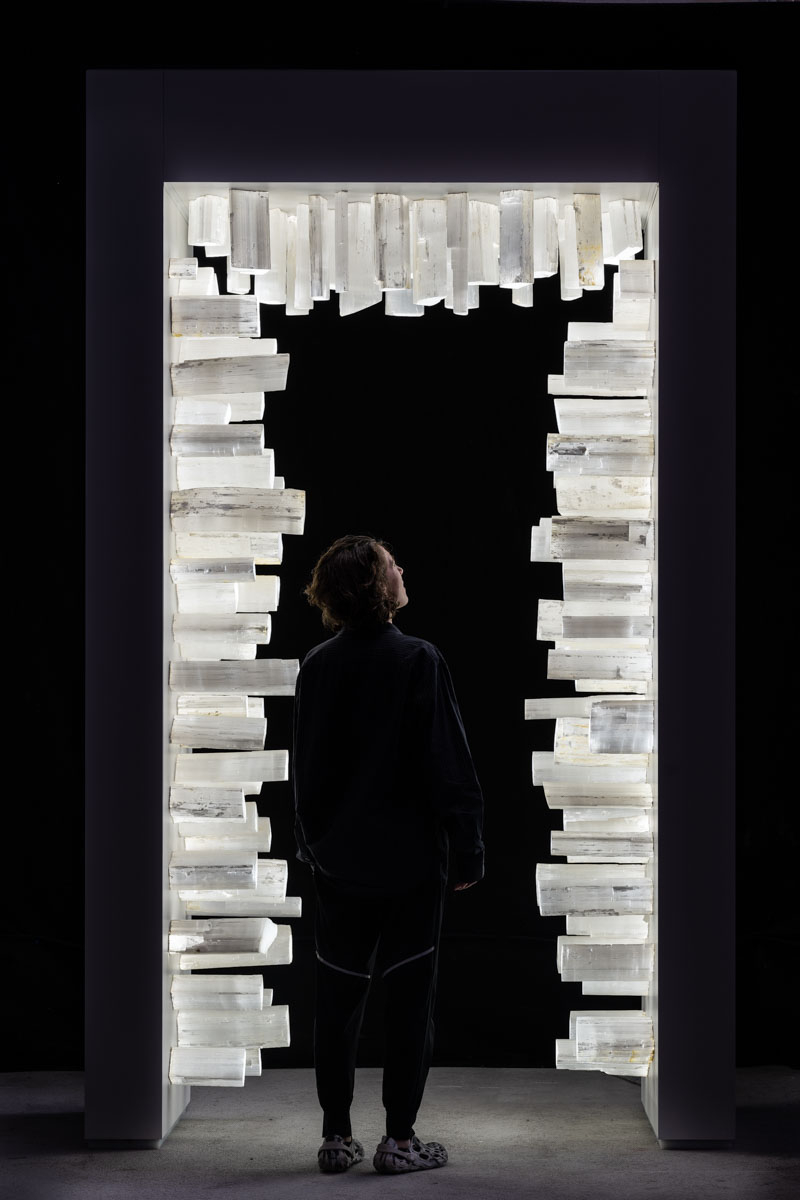
Marina Abramović, Selenite Portal, 2022, Selenite, Steel, Aluminium, LED, 297 x 179 x 68.5 cm, 116 7/8 x 70 1/2 x 27 in
Marina Abramović: 'Transforming Energy'
Gallerie dell'Accademia di Venezia
6 May – 19 October 2026
Marina Abramović will be the first living woman artist to be honoured with a major exhibition at the Gallerie dell’Accademia in Venice in 2026. 'Marina Abramović: Transforming Energy' will be presented during the 61st International Art Exhibition of La Biennale di Venezia.
The exhibition marks the artist’s 80th birthday and establishes a profound dialogue between her pioneering performance art and the Renaissance masterpieces that have shaped the cultural identity of Venice. Curated by Shai Baitel, Artistic Director of the Modern Art Museum (MAM) Shanghai, in close collaboration with the artist, the exhibition unfolds across both the museum’s permanent collection galleries and its temporary exhibition spaces, a first in the institution’s history, embedding Abramović’s practice within the very heart of Venetian patrimony.
At its core, Transforming Energy is an encounter between past and present, material and immaterial, body and spirit. Visitors are invited to experience a series of interactive Transitory Objects — stone beds and structures embedded with crystals — by lying, sitting, or standing upon them, activating what Abramović calls “energy transmission.” Iconic works such as Imponderabilia (1977), Rhythm 0 (1974),
Light/Dark (1977), Balkan Baroque (1997), and Carrying the Skeleton (2008) appear alongside projections of early performances, while new works created for the occasion bring her decades - long exploration of endurance, vulnerability, and transformation into sharp relief.
A highlight of the exhibition is the presentation of Pietà (with Ulay) (1983), placed in direct dialogue with Titian’s Pietà (c. 1575 - 76), his final, unfinished masterpiece completed by Palma Giovane. This historic pairing, on the 450 th anniversary of Titian’s Pietà, reframes Renaissance typologies of grief, transcendence, and redemption through a contemporary lens, and underscores the enduring role of the human body as a site of both suffering and spiritual elevation.
In Venice — a city that has for centuries been a crossroads of culture, commerce, and the movement of rare materials — Abramović’s use of quartz, amethyst, and other natural elements resonates with the history of Venetian mosaic and the Renaissance pursuit of material and metaphysical transformation. By placing the visitor’s own body at the center of the work, the exhibition invites a durational form of looking: one that is less about passive observation and more about presence, participation, and the possibility of inner change.
Marina Abramović said: “I was 14 when my mother first brought me to the Venice Biennale. We travelled by train from Belgrade and as I stepped out of the station and saw Venice for the first time, I began to cry. It was so incredibly beautiful — unlike anything I had ever seen. Since then, returning to Venice has become a tradition, and after receiving the Golden Lion in 1997, the city has always held a special place in my life. Now, as I prepare to celebrate my 80th birthday, I return for an even more meaningful reason: to become the first woman artist to present an exhibition across the Gallerie dell’Accademia, including its contemporary collection, with Transforming Energy. It is a
profound honor, and I am deeply touched by this opportunity."
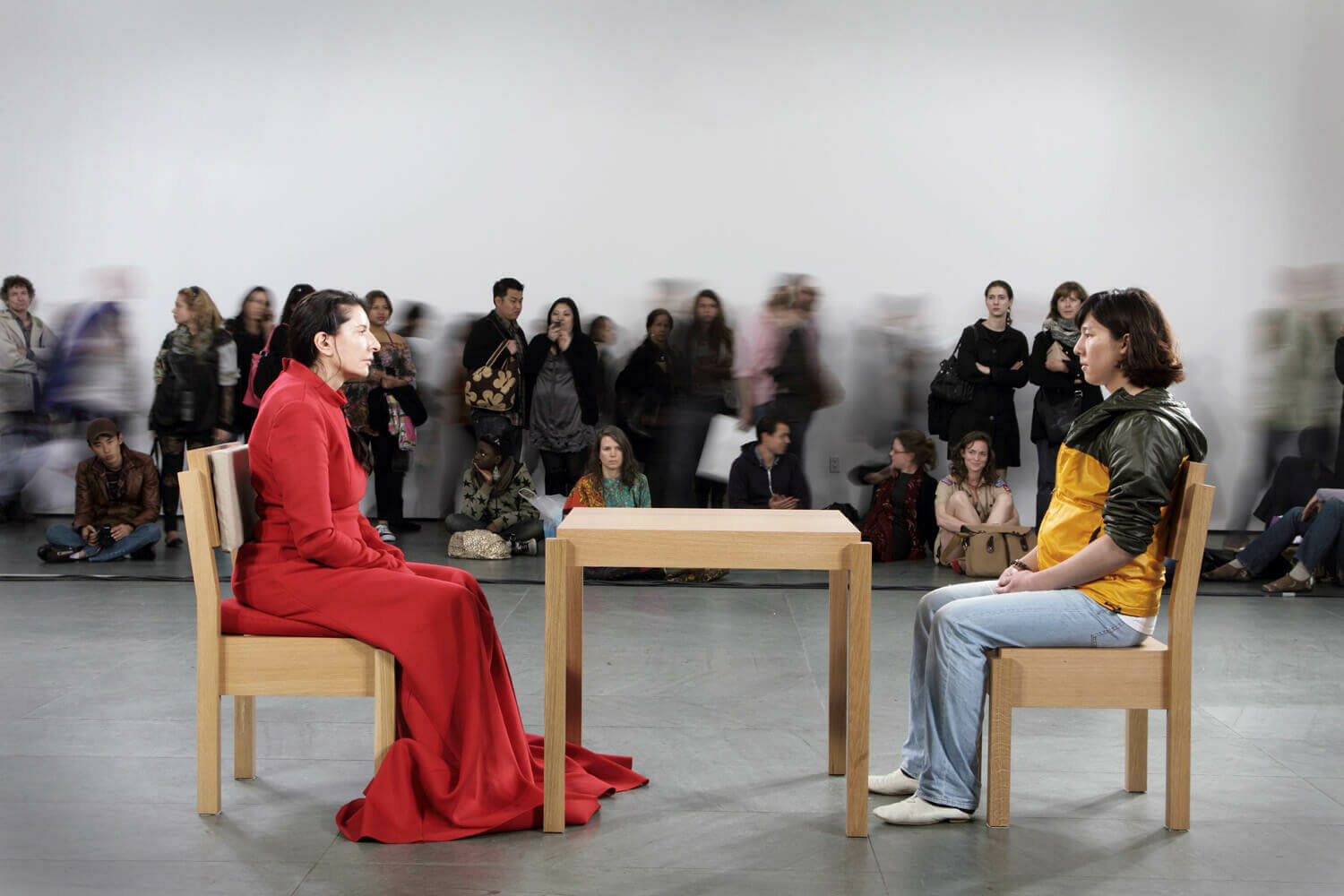
The Artist is Present, 2010, Performance, The Museum of Modern Art, New York, 3 months, © Marina Abramovic and Sean Kelly Gallery, NY
Marina Abramović: 'Transforming Energy'
Gallerie dell'Accademia di Venezia
6 May – 19 October 2026
Marina Abramović will be the first living woman artist to be honoured with a major exhibition at the Gallerie dell’Accademia in Venice in 2026. 'Marina Abramović: Transforming Energy' will be presented during the 61st International Art Exhibition of La Biennale di Venezia.
The exhibition marks the artist’s 80th birthday and establishes a profound dialogue between her pioneering performance art and the Renaissance masterpieces that have shaped the cultural identity of Venice. Curated by Shai Baitel, Artistic Director of the Modern Art Museum (MAM) Shanghai, in close collaboration with the artist, the exhibition unfolds across both the museum’s permanent collection galleries and its temporary exhibition spaces, a first in the institution’s history, embedding Abramović’s practice within the very heart of Venetian patrimony.
At its core, Transforming Energy is an encounter between past and present, material and immaterial, body and spirit. Visitors are invited to experience a series of interactive Transitory Objects — stone beds and structures embedded with crystals — by lying, sitting, or standing upon them, activating what Abramović calls “energy transmission.” Iconic works such as Imponderabilia (1977), Rhythm 0 (1974),
Light/Dark (1977), Balkan Baroque (1997), and Carrying the Skeleton (2008) appear alongside projections of early performances, while new works created for the occasion bring her decades - long exploration of endurance, vulnerability, and transformation into sharp relief.
A highlight of the exhibition is the presentation of Pietà (with Ulay) (1983), placed in direct dialogue with Titian’s Pietà (c. 1575 - 76), his final, unfinished masterpiece completed by Palma Giovane. This historic pairing, on the 450 th anniversary of Titian’s Pietà, reframes Renaissance typologies of grief, transcendence, and redemption through a contemporary lens, and underscores the enduring role of the human body as a site of both suffering and spiritual elevation.
In Venice — a city that has for centuries been a crossroads of culture, commerce, and the movement of rare materials — Abramović’s use of quartz, amethyst, and other natural elements resonates with the history of Venetian mosaic and the Renaissance pursuit of material and metaphysical transformation. By placing the visitor’s own body at the center of the work, the exhibition invites a durational form of looking: one that is less about passive observation and more about presence, participation, and the possibility of inner change.
Marina Abramović said: “I was 14 when my mother first brought me to the Venice Biennale. We travelled by train from Belgrade and as I stepped out of the station and saw Venice for the first time, I began to cry. It was so incredibly beautiful — unlike anything I had ever seen. Since then, returning to Venice has become a tradition, and after receiving the Golden Lion in 1997, the city has always held a special place in my life. Now, as I prepare to celebrate my 80th birthday, I return for an even more meaningful reason: to become the first woman artist to present an exhibition across the Gallerie dell’Accademia, including its contemporary collection, with Transforming Energy. It is a
profound honor, and I am deeply touched by this opportunity."
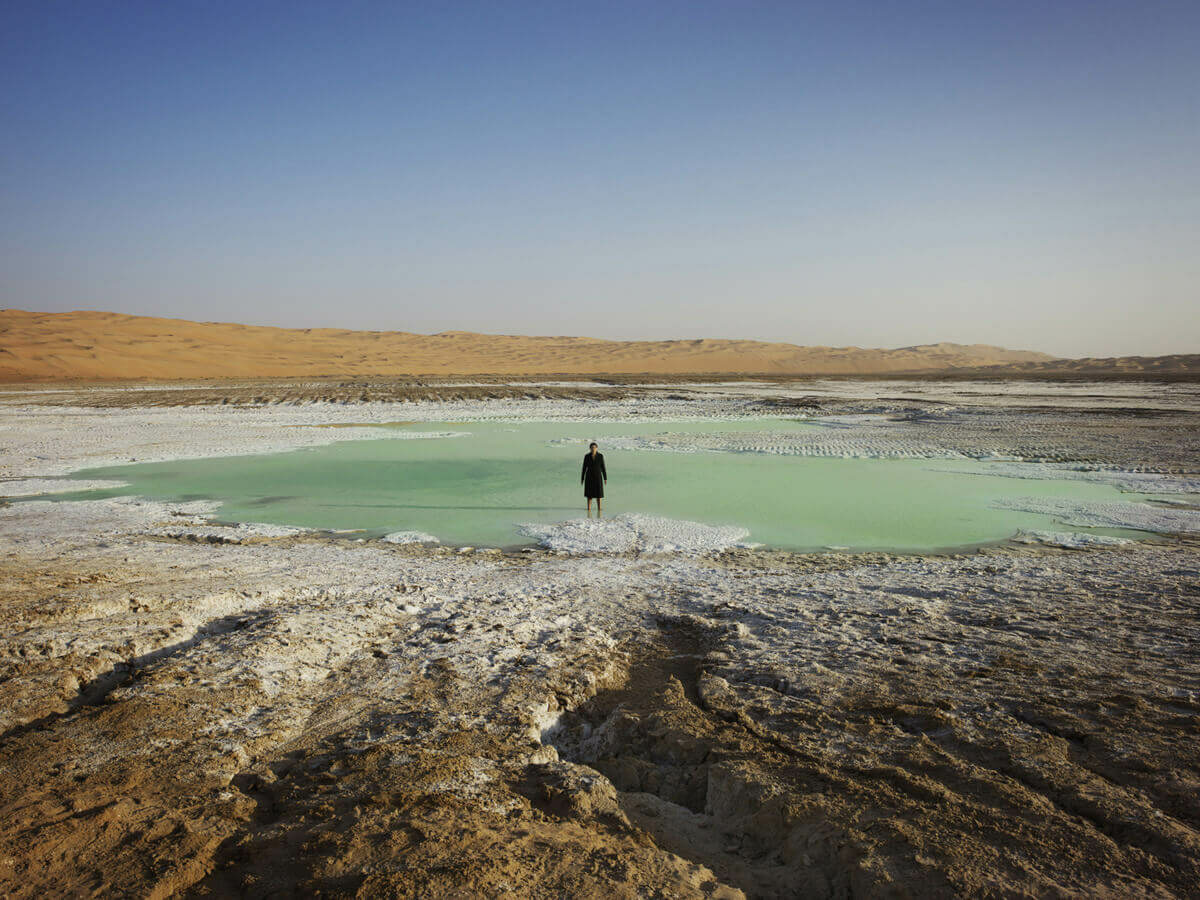
In The Sea of Silence, 2013, Fine art pigment print 160 x 213 cm 63 x 83 7/8 in
Marina Abramović: 'Transforming Energy'
Gallerie dell'Accademia di Venezia
6 May – 19 October 2026
Marina Abramović will be the first living woman artist to be honoured with a major exhibition at the Gallerie dell’Accademia in Venice in 2026. 'Marina Abramović: Transforming Energy' will be presented during the 61st International Art Exhibition of La Biennale di Venezia.
The exhibition marks the artist’s 80th birthday and establishes a profound dialogue between her pioneering performance art and the Renaissance masterpieces that have shaped the cultural identity of Venice. Curated by Shai Baitel, Artistic Director of the Modern Art Museum (MAM) Shanghai, in close collaboration with the artist, the exhibition unfolds across both the museum’s permanent collection galleries and its temporary exhibition spaces, a first in the institution’s history, embedding Abramović’s practice within the very heart of Venetian patrimony.
At its core, Transforming Energy is an encounter between past and present, material and immaterial, body and spirit. Visitors are invited to experience a series of interactive Transitory Objects — stone beds and structures embedded with crystals — by lying, sitting, or standing upon them, activating what Abramović calls “energy transmission.” Iconic works such as Imponderabilia (1977), Rhythm 0 (1974),
Light/Dark (1977), Balkan Baroque (1997), and Carrying the Skeleton (2008) appear alongside projections of early performances, while new works created for the occasion bring her decades - long exploration of endurance, vulnerability, and transformation into sharp relief.
A highlight of the exhibition is the presentation of Pietà (with Ulay) (1983), placed in direct dialogue with Titian’s Pietà (c. 1575 - 76), his final, unfinished masterpiece completed by Palma Giovane. This historic pairing, on the 450 th anniversary of Titian’s Pietà, reframes Renaissance typologies of grief, transcendence, and redemption through a contemporary lens, and underscores the enduring role of the human body as a site of both suffering and spiritual elevation.
In Venice — a city that has for centuries been a crossroads of culture, commerce, and the movement of rare materials — Abramović’s use of quartz, amethyst, and other natural elements resonates with the history of Venetian mosaic and the Renaissance pursuit of material and metaphysical transformation. By placing the visitor’s own body at the center of the work, the exhibition invites a durational form of looking: one that is less about passive observation and more about presence, participation, and the possibility of inner change.
Marina Abramović said: “I was 14 when my mother first brought me to the Venice Biennale. We travelled by train from Belgrade and as I stepped out of the station and saw Venice for the first time, I began to cry. It was so incredibly beautiful — unlike anything I had ever seen. Since then, returning to Venice has become a tradition, and after receiving the Golden Lion in 1997, the city has always held a special place in my life. Now, as I prepare to celebrate my 80th birthday, I return for an even more meaningful reason: to become the first woman artist to present an exhibition across the Gallerie dell’Accademia, including its contemporary collection, with Transforming Energy. It is a
profound honor, and I am deeply touched by this opportunity."
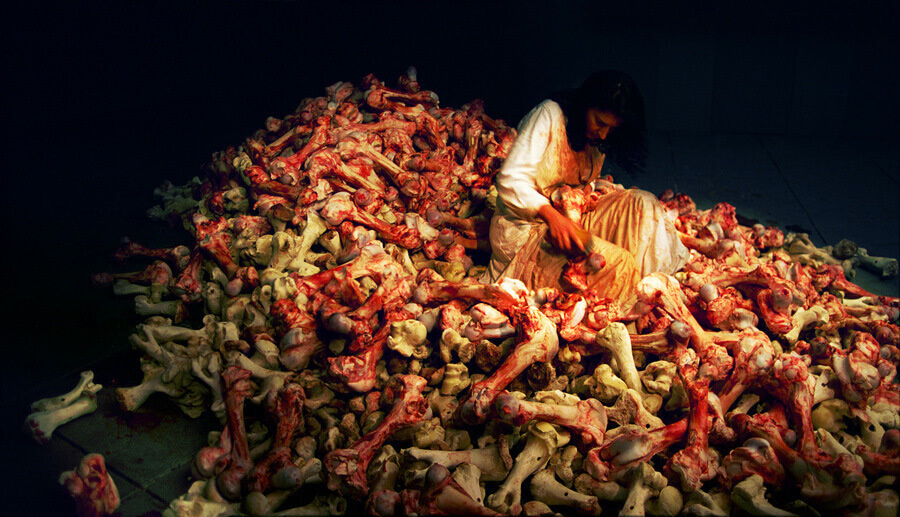
Balkan Baroque I, 1997, C-Print 124 x 216 cm 48 7/8 x 85 in
Marina Abramović: 'Transforming Energy'
Gallerie dell'Accademia di Venezia
6 May – 19 October 2026
Marina Abramović will be the first living woman artist to be honoured with a major exhibition at the Gallerie dell’Accademia in Venice in 2026. 'Marina Abramović: Transforming Energy' will be presented during the 61st International Art Exhibition of La Biennale di Venezia.
The exhibition marks the artist’s 80th birthday and establishes a profound dialogue between her pioneering performance art and the Renaissance masterpieces that have shaped the cultural identity of Venice. Curated by Shai Baitel, Artistic Director of the Modern Art Museum (MAM) Shanghai, in close collaboration with the artist, the exhibition unfolds across both the museum’s permanent collection galleries and its temporary exhibition spaces, a first in the institution’s history, embedding Abramović’s practice within the very heart of Venetian patrimony.
At its core, Transforming Energy is an encounter between past and present, material and immaterial, body and spirit. Visitors are invited to experience a series of interactive Transitory Objects — stone beds and structures embedded with crystals — by lying, sitting, or standing upon them, activating what Abramović calls “energy transmission.” Iconic works such as Imponderabilia (1977), Rhythm 0 (1974),
Light/Dark (1977), Balkan Baroque (1997), and Carrying the Skeleton (2008) appear alongside projections of early performances, while new works created for the occasion bring her decades - long exploration of endurance, vulnerability, and transformation into sharp relief.
A highlight of the exhibition is the presentation of Pietà (with Ulay) (1983), placed in direct dialogue with Titian’s Pietà (c. 1575 - 76), his final, unfinished masterpiece completed by Palma Giovane. This historic pairing, on the 450 th anniversary of Titian’s Pietà, reframes Renaissance typologies of grief, transcendence, and redemption through a contemporary lens, and underscores the enduring role of the human body as a site of both suffering and spiritual elevation.
In Venice — a city that has for centuries been a crossroads of culture, commerce, and the movement of rare materials — Abramović’s use of quartz, amethyst, and other natural elements resonates with the history of Venetian mosaic and the Renaissance pursuit of material and metaphysical transformation. By placing the visitor’s own body at the center of the work, the exhibition invites a durational form of looking: one that is less about passive observation and more about presence, participation, and the possibility of inner change.
Marina Abramović said: “I was 14 when my mother first brought me to the Venice Biennale. We travelled by train from Belgrade and as I stepped out of the station and saw Venice for the first time, I began to cry. It was so incredibly beautiful — unlike anything I had ever seen. Since then, returning to Venice has become a tradition, and after receiving the Golden Lion in 1997, the city has always held a special place in my life. Now, as I prepare to celebrate my 80th birthday, I return for an even more meaningful reason: to become the first woman artist to present an exhibition across the Gallerie dell’Accademia, including its contemporary collection, with Transforming Energy. It is a
profound honor, and I am deeply touched by this opportunity."
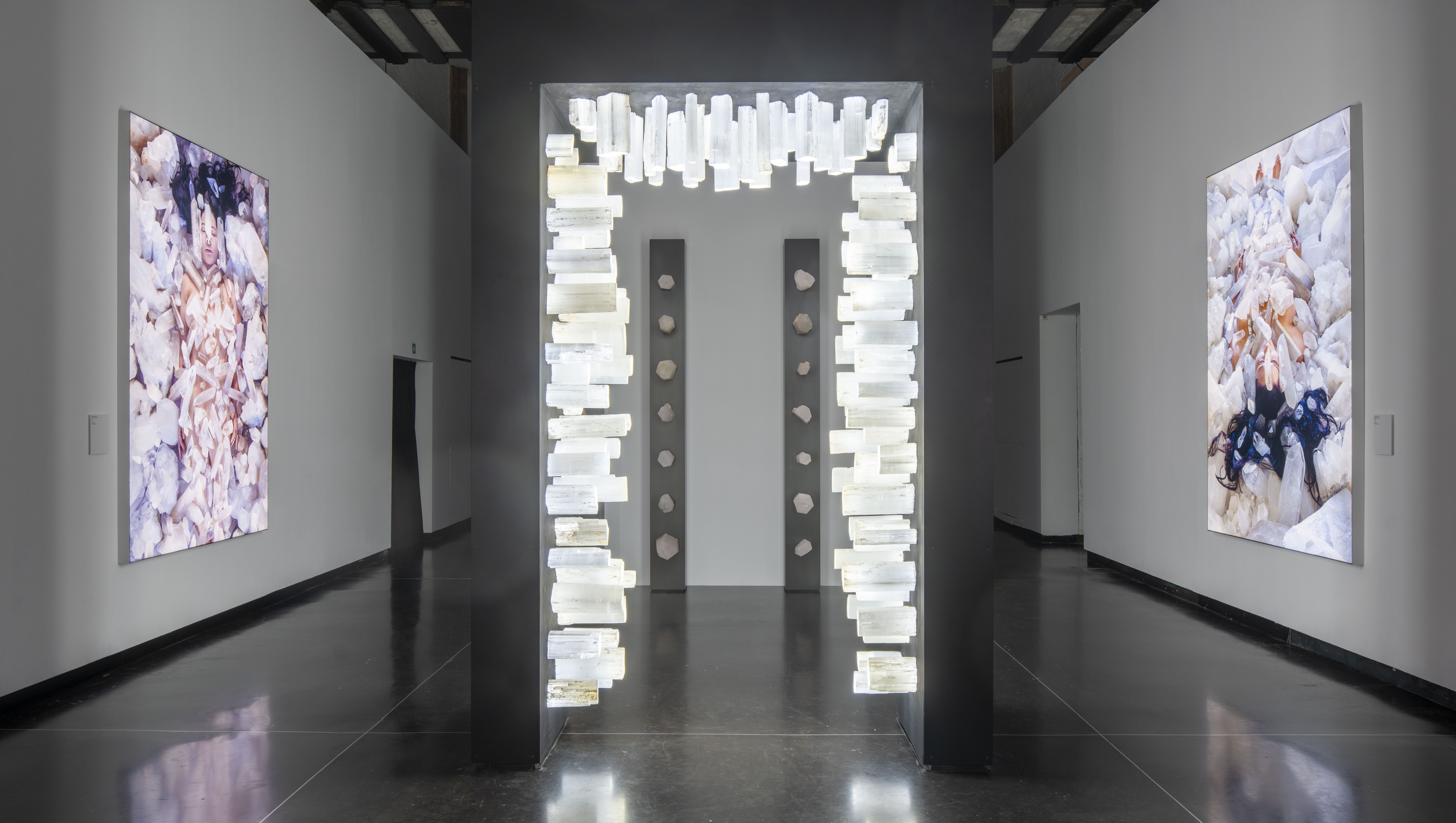
Installation views of ‘Marina Abramović: Transforming Energy’ at Gallerie dell’Accademia di Venezia, 2026. Photographer Matteo de Fina
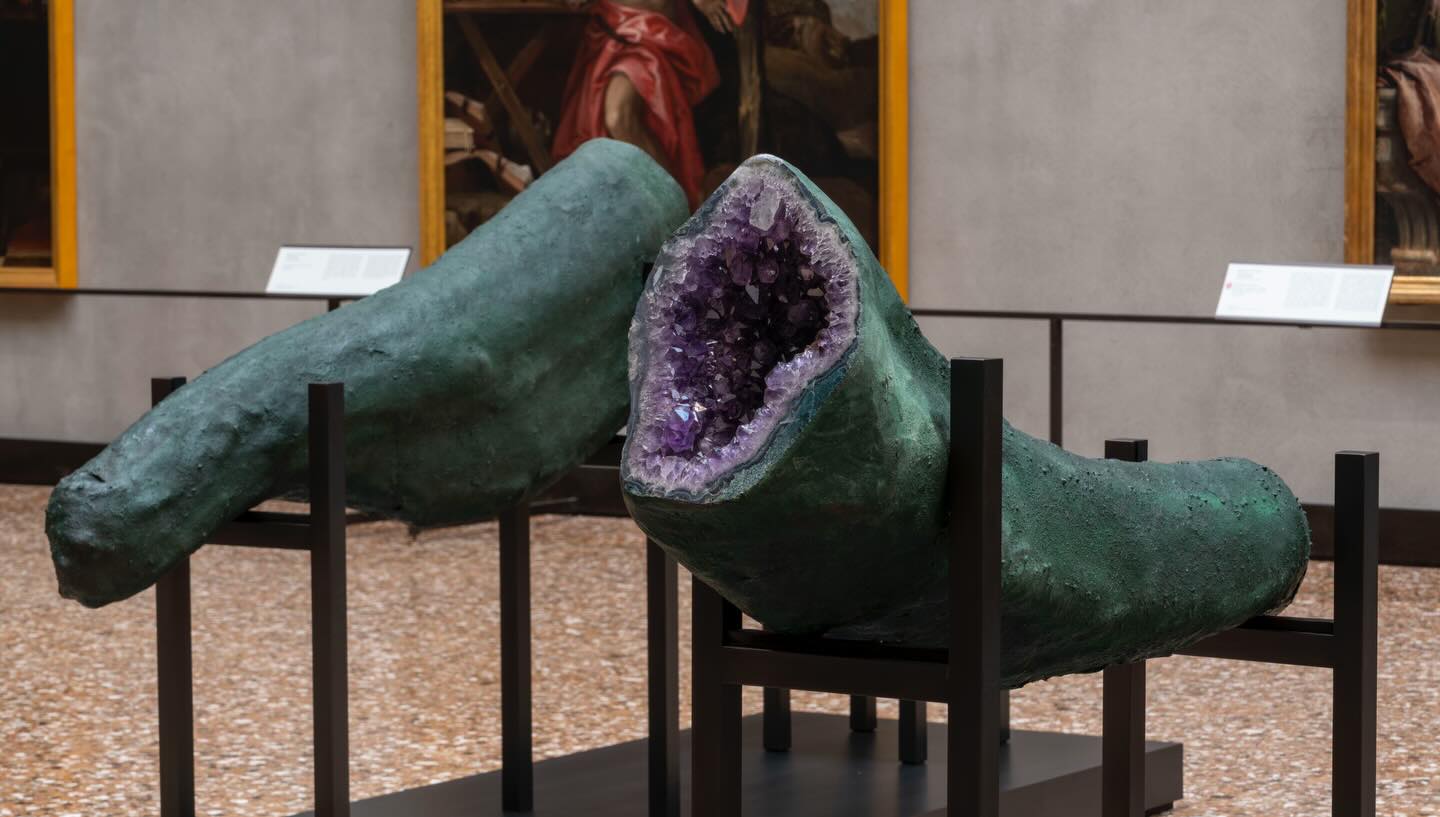
Installation views of ‘Marina Abramović: Transforming Energy’ at Gallerie dell’Accademia di Venezia, 2026. Photographer Matteo de Fina
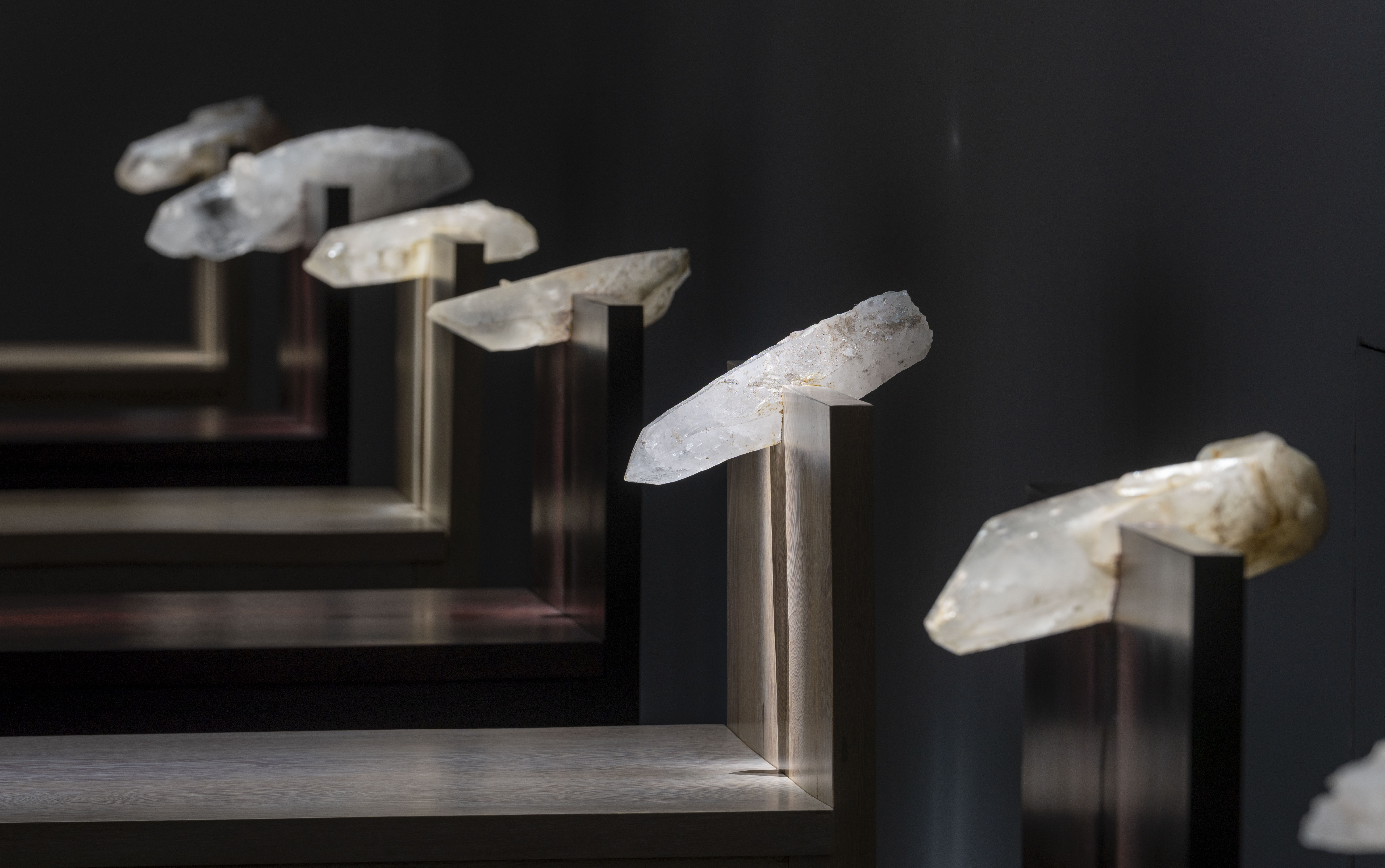
Installation views of ‘Marina Abramović: Transforming Energy’ at Gallerie dell’Accademia di Venezia, 2026. Photographer Matteo de Fina
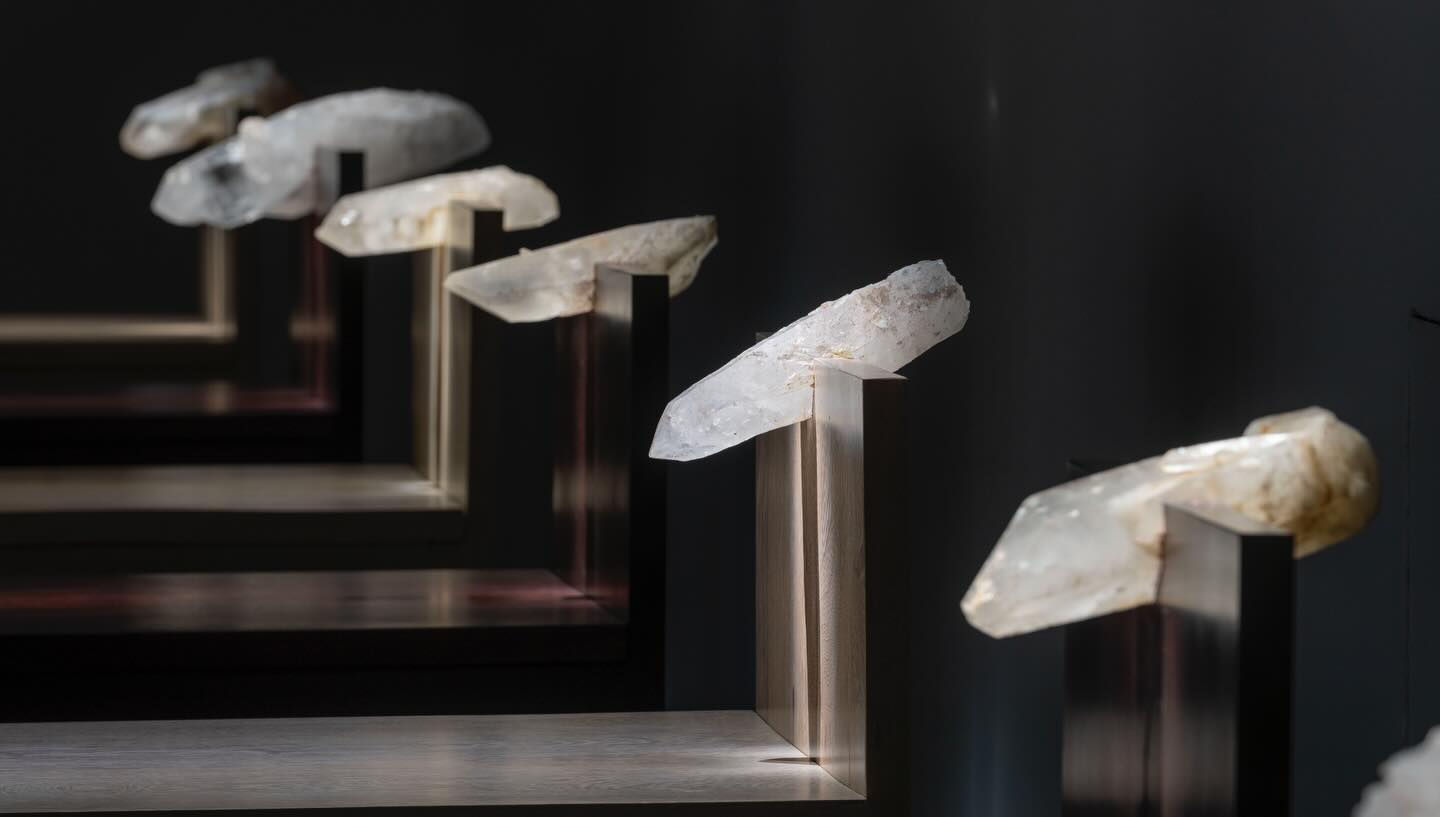
Installation views of ‘Marina Abramović: Transforming Energy’ at Gallerie dell’Accademia di Venezia, 2026. Photographer Matteo de Fina
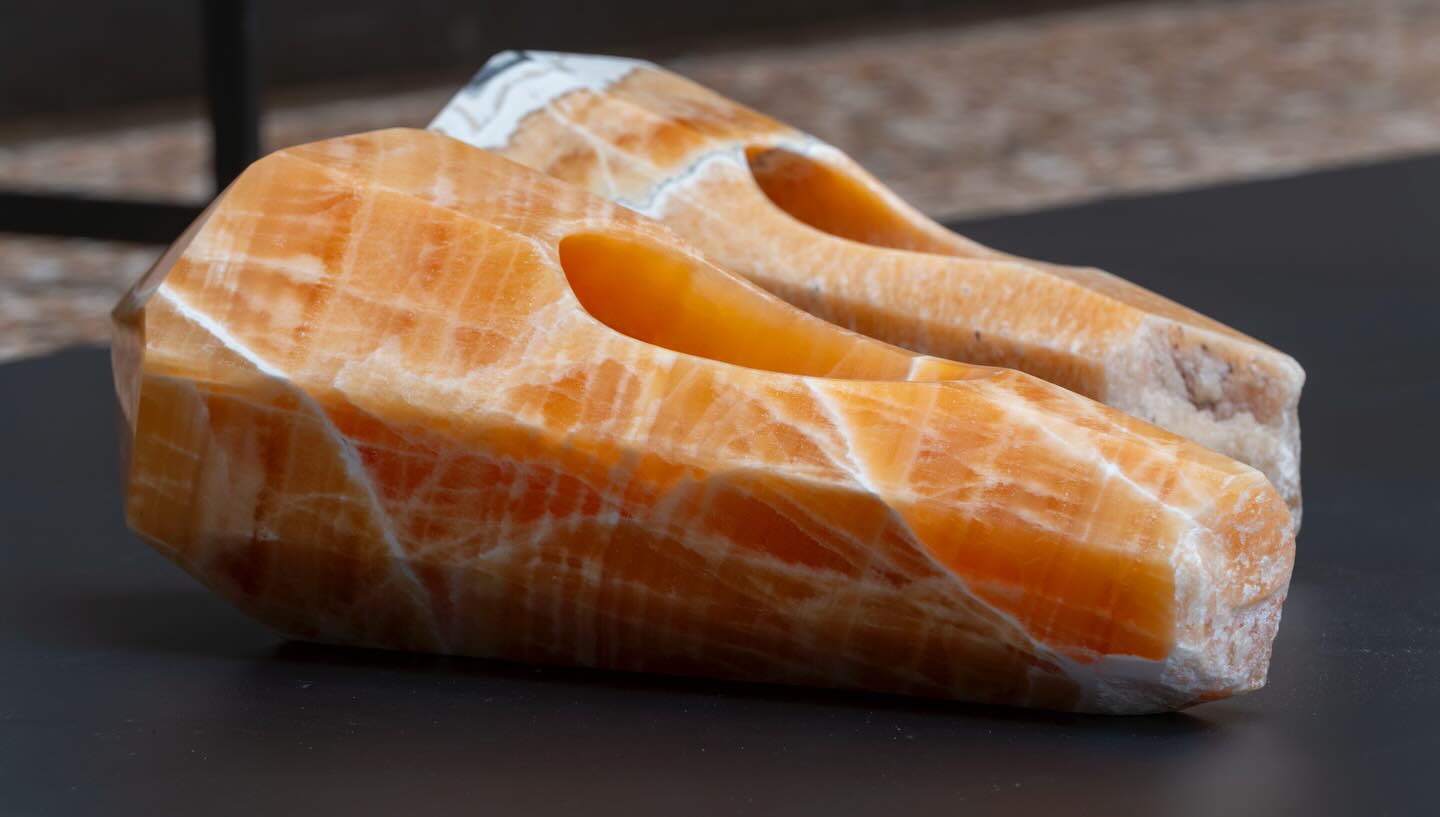
Installation views of ‘Marina Abramović: Transforming Energy’ at Gallerie dell’Accademia di Venezia, 2026. Photographer Matteo de Fina
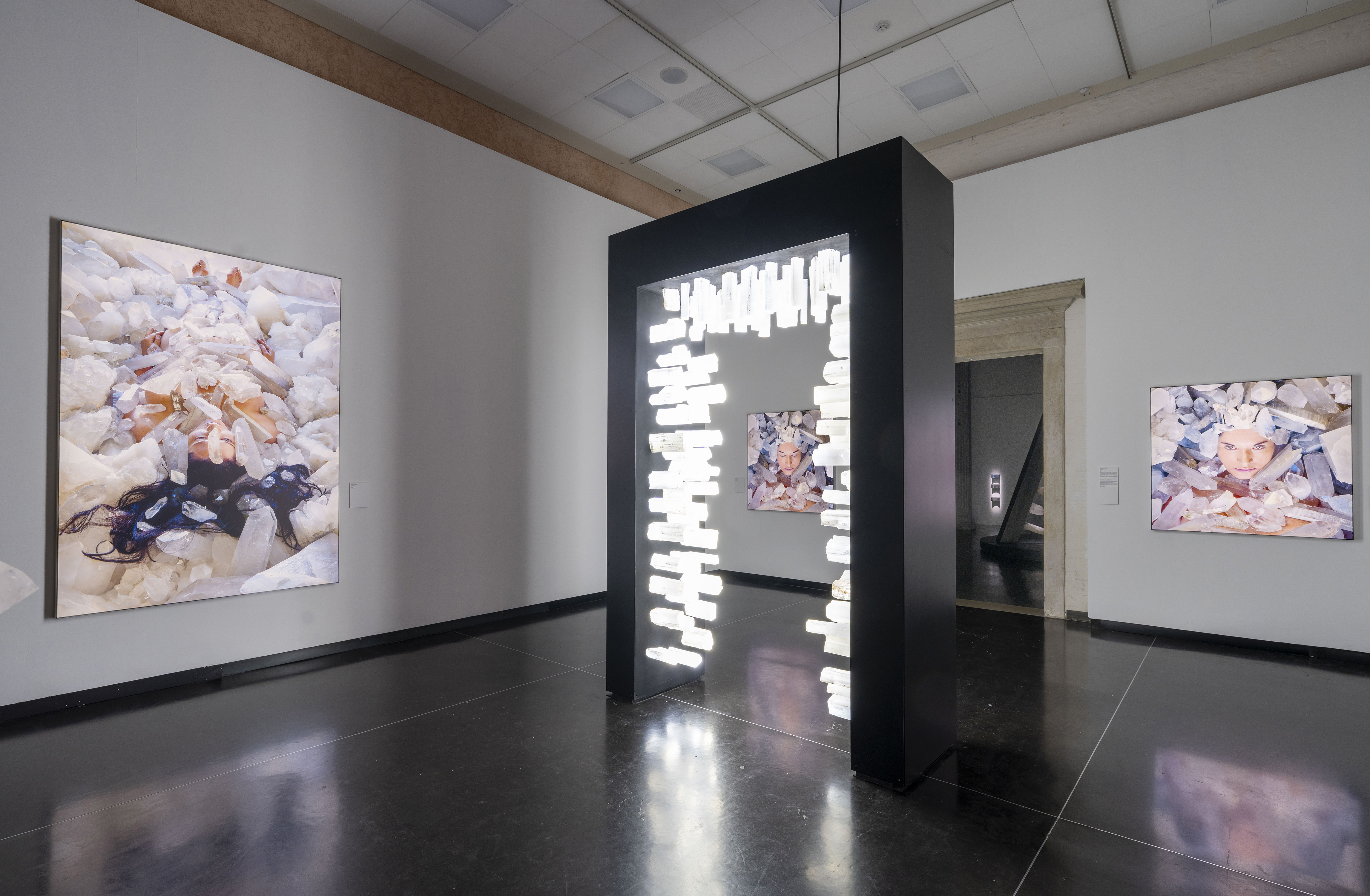
Installation views of ‘Marina Abramović: Transforming Energy’ at Gallerie dell’Accademia di Venezia, 2026. Photographer Matteo de Fina
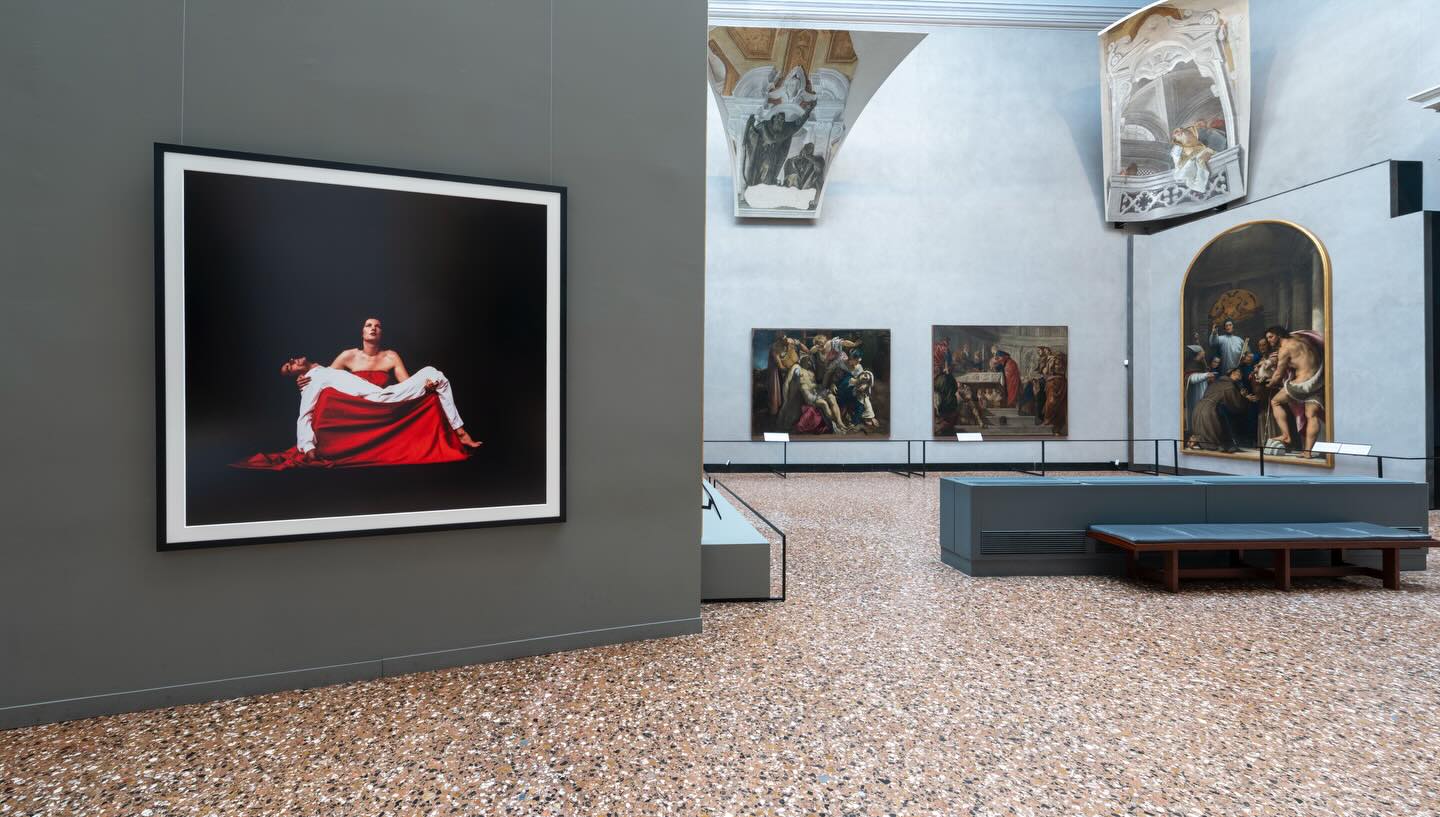
Installation views of ‘Marina Abramović: Transforming Energy’ at Gallerie dell’Accademia di Venezia, 2026. Photographer Matteo de Fina
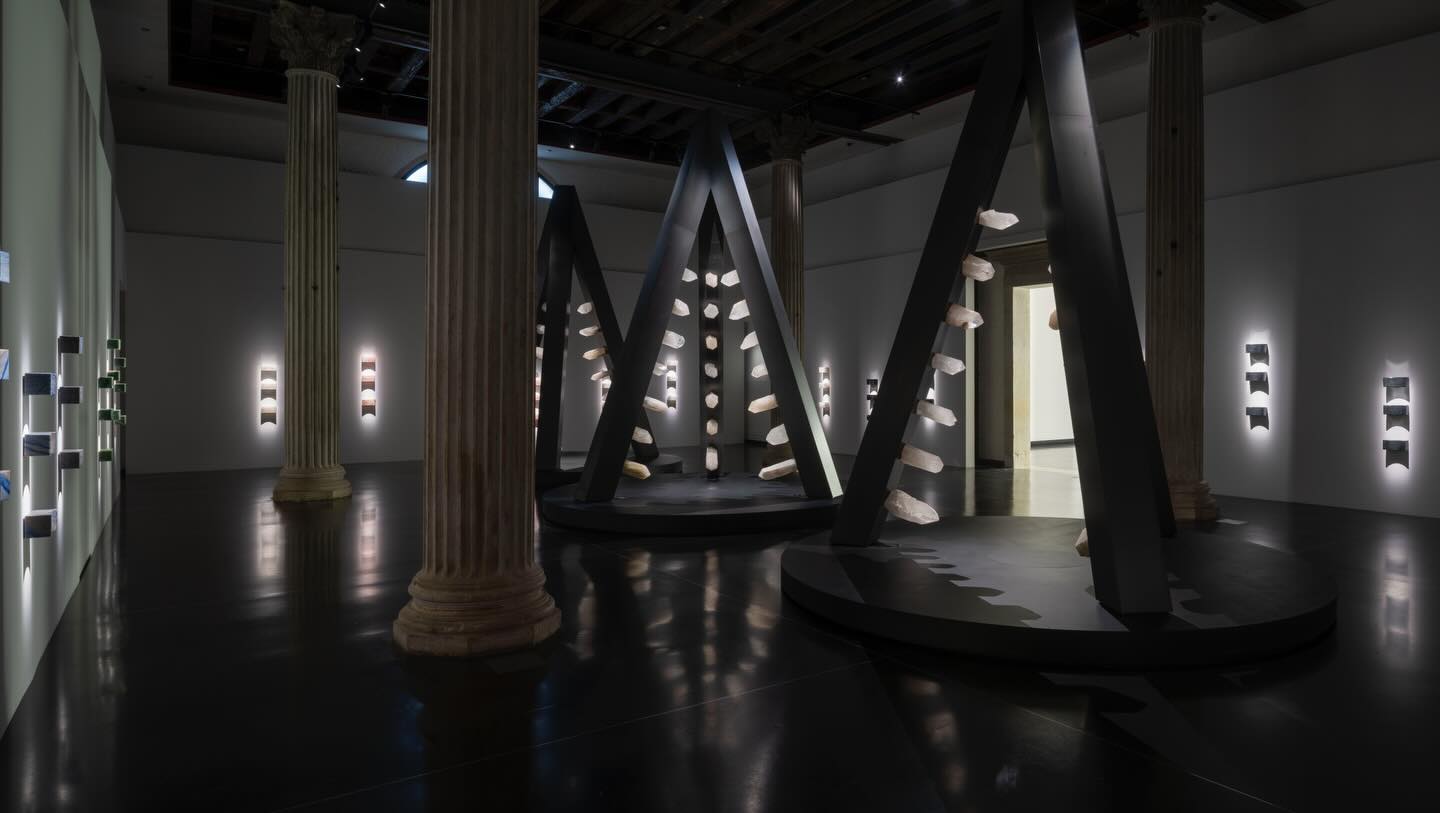
Installation views of ‘Marina Abramović: Transforming Energy’ at Gallerie dell’Accademia di Venezia, 2026. Photographer Matteo de Fina
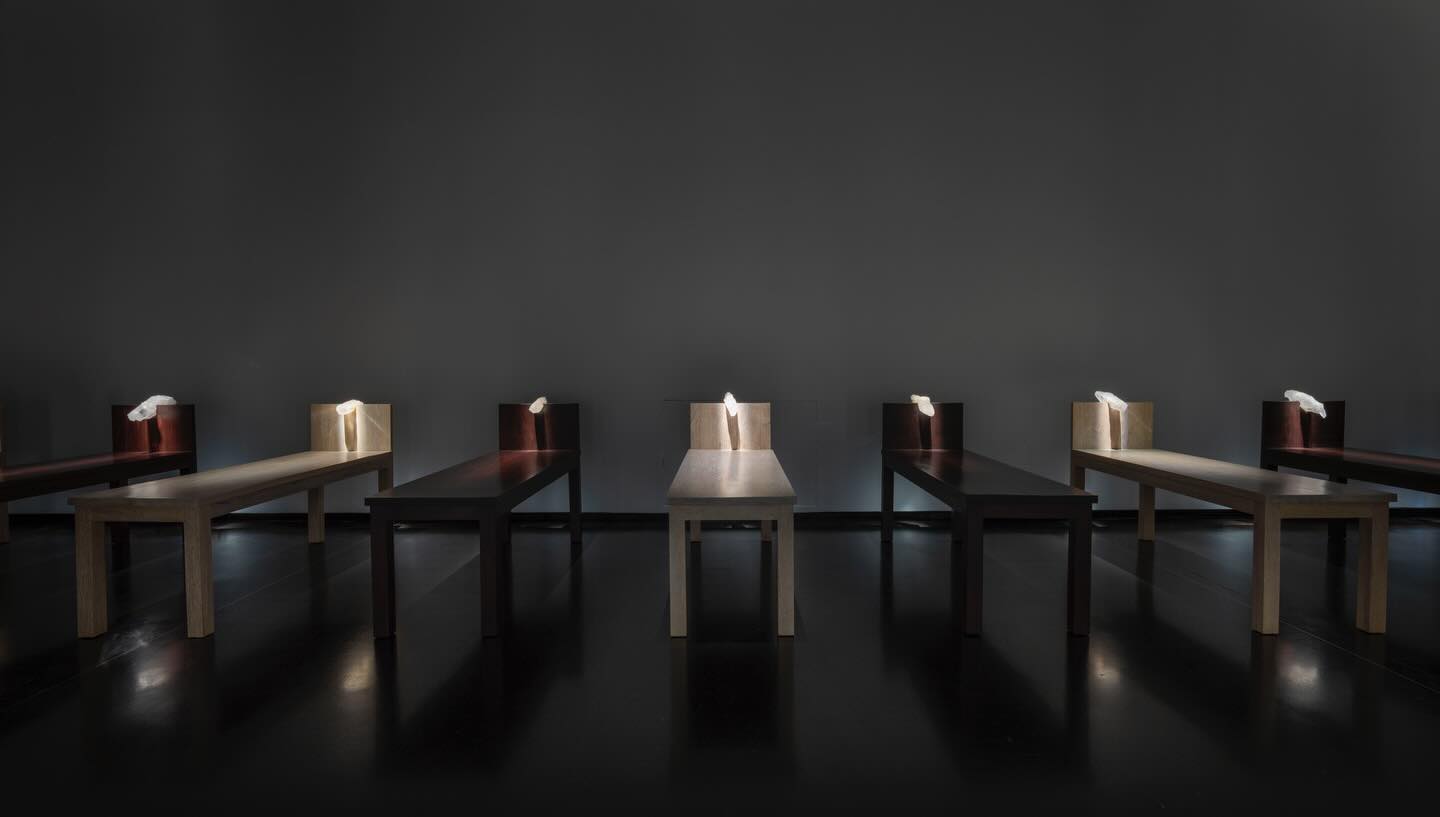
Installation views of ‘Marina Abramović: Transforming Energy’ at Gallerie dell’Accademia di Venezia, 2026. Photographer Matteo de Fina
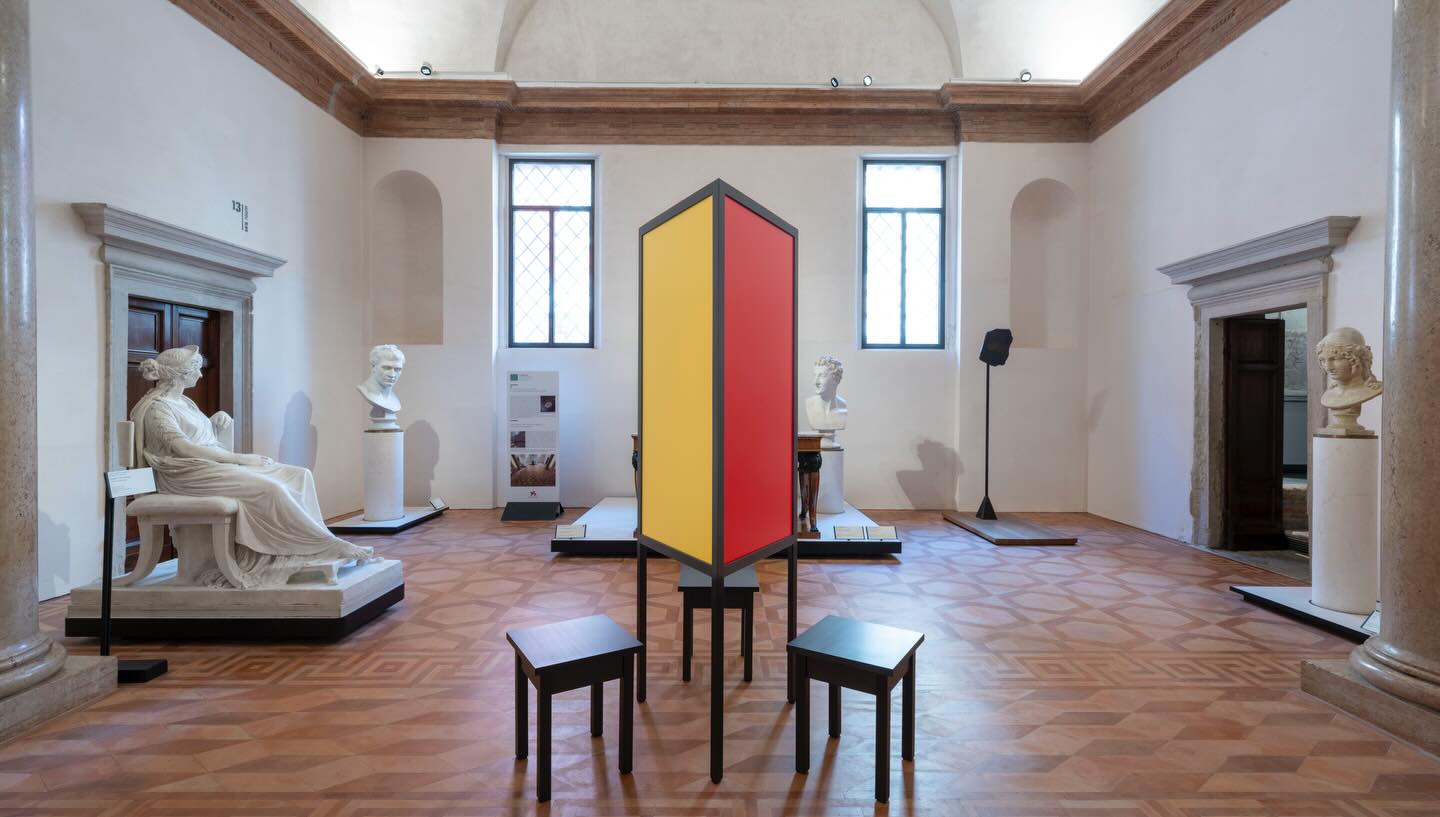
Installation views of ‘Marina Abramović: Transforming Energy’ at Gallerie dell’Accademia di Venezia, 2026. Photographer Matteo de Fina
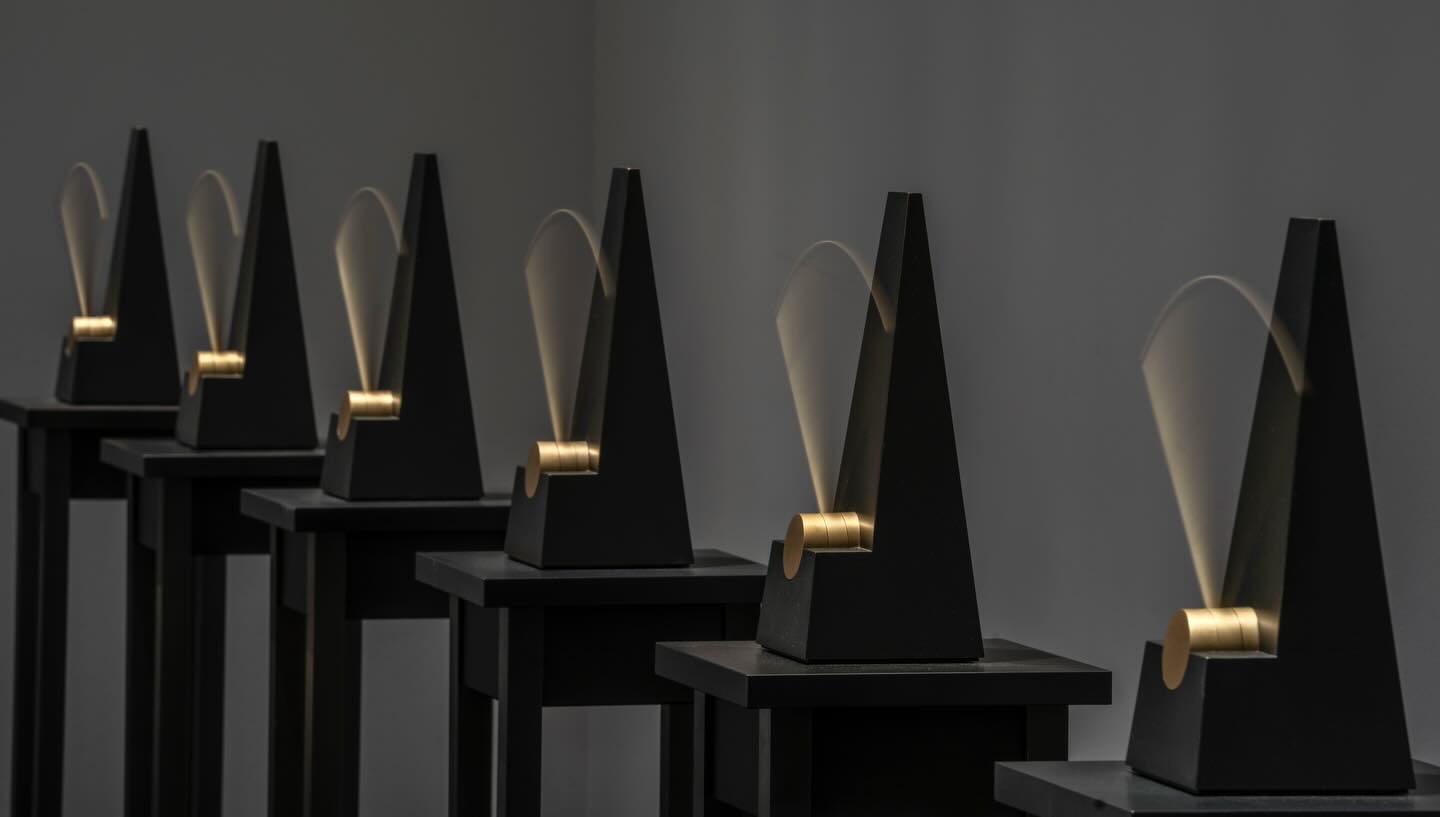
Installation views of ‘Marina Abramović: Transforming Energy’ at Gallerie dell’Accademia di Venezia, 2026. Photographer Matteo de Fina
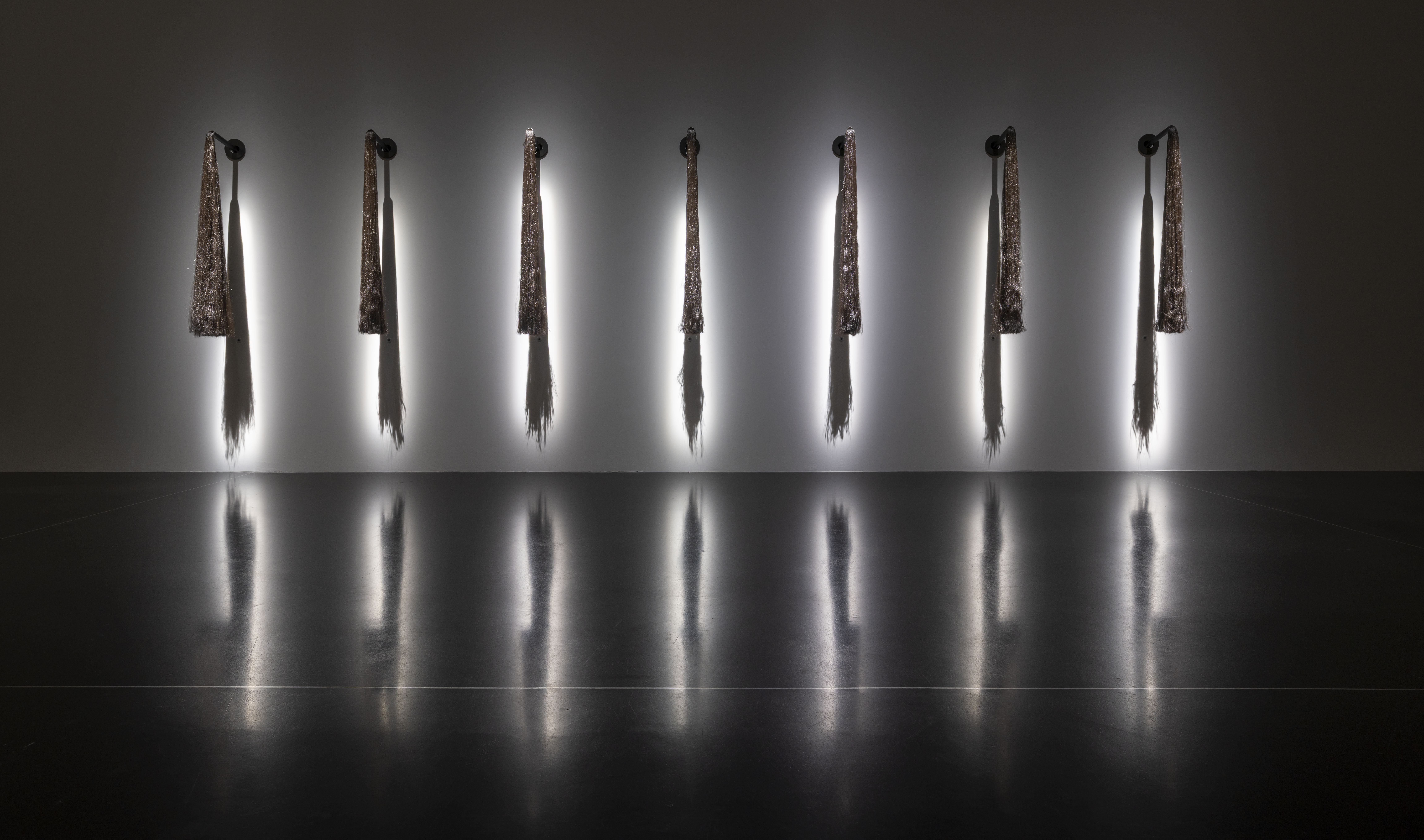
Installation views of ‘Marina Abramović: Transforming Energy’ at Gallerie dell’Accademia di Venezia, 2026. Photographer Matteo de Fina